Home
Portfolio
About
Threads
Contact
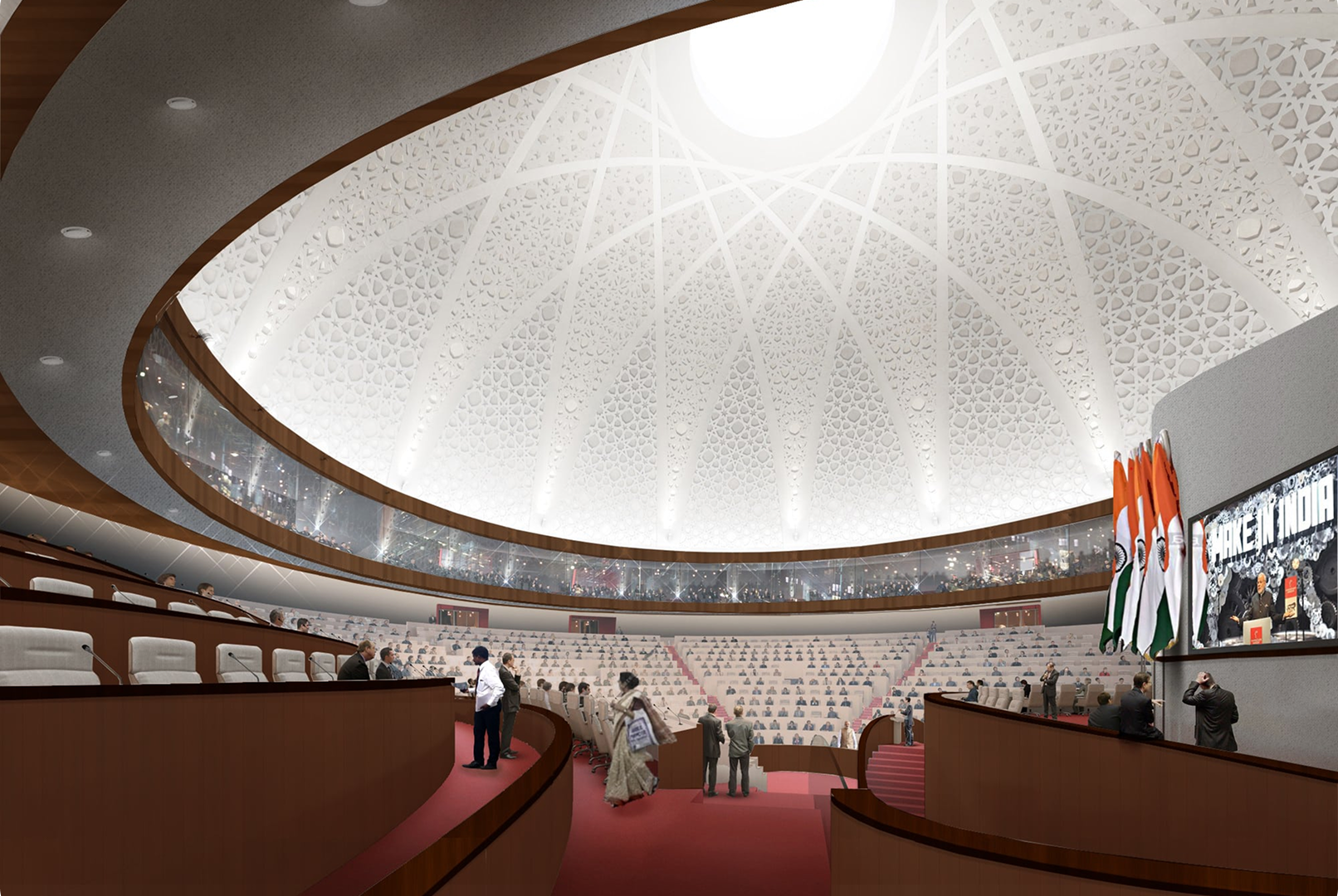
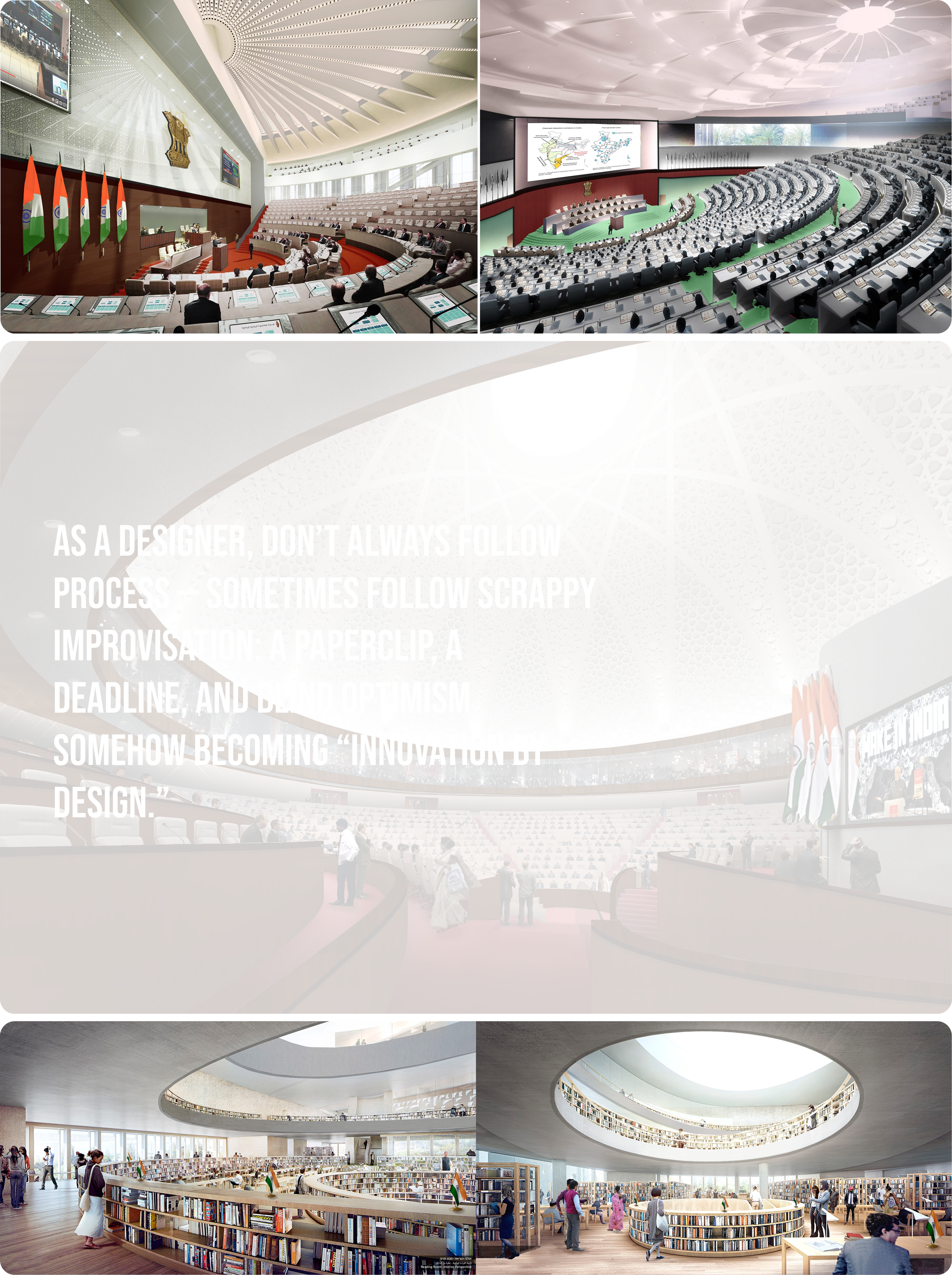
Parliament of India
Visit Site
C
o
m
p
e
t
i
t
i
o
n
P
r
o
j
e
c
t
|
P
a
r
l
i
a
m
e
n
t
o
f
I
n
d
i
a
|
U
n
c
o
n
v
e
n
t
i
o
n
a
l
m
e
t
h
o
d
s
t
o
c
r
e
a
t
e
V
i
s
u
a
l
s
V
i
s
u
a
l
i
s
a
t
i
o
n
s
t
r
a
t
e
g
y
T
h
i
s
c
o
m
p
e
t
i
t
i
o
n
e
n
t
r
y
e
x
p
e
r
i
m
e
n
t
e
d
w
i
t
h
r
a
p
i
d
,
n
o
n
-
c
o
n
v
e
n
t
i
o
n
a
l
v
i
s
u
a
l
m
e
t
h
o
d
s
t
o
a
r
t
i
c
u
l
a
t
e
c
i
v
i
c
a
n
d
s
p
a
t
i
a
l
n
a
r
r
a
t
i
v
e
s
u
n
d
e
r
c
o
m
p
r
e
s
s
e
d
t
i
m
e
l
i
n
e
s
P
A
R
L
I
A
M
E
N
T
O
F
I
N
D
I
A
I
N
T
E
R
I
O
R
S
S
C
O
P
E
A
B
O
U
T
T
h
e
s
t
r
a
t
e
g
y
e
m
p
h
a
s
i
z
e
d
a
b
s
t
r
a
c
t
i
o
n
,
n
a
r
r
a
t
i
v
e
h
i
e
r
a
r
c
h
y
,
a
n
d
s
y
m
b
o
l
i
c
c
l
a
r
i
t
y
t
o
c
o
m
m
u
n
i
c
a
t
e
i
n
t
e
n
t
e
f
f
i
c
i
e
n
t
l
y
t
o
e
v
a
l
u
a
t
o
r
s
a
n
d
s
t
a
k
e
h
o
l
d
e
r
s
.
V
i
s
u
a
l
e
x
p
e
r
i
m
e
n
t
s
t
r
a
n
s
l
a
t
e
d
p
r
o
g
r
a
m
m
a
t
i
c
c
o
m
p
l
e
x
i
t
y
i
n
t
o
c
o
m
p
e
l
l
i
n
g
g
r
a
p
h
i
c
s
t
h
a
t
s
u
p
p
o
r
t
e
d
a
p
e
r
s
u
a
s
i
v
e
p
r
o
p
o
s
a
l
.
T
h
e
o
u
t
p
u
t
w
a
s
a
c
o
n
c
i
s
e
v
i
s
u
a
l
t
o
o
l
k
i
t
a
n
d
d
i
a
g
r
a
m
m
a
t
i
c
s
y
s
t
e
m
t
h
a
t
e
l
e
v
a
t
e
d
c
o
n
c
e
p
t
d
e
l
i
v
e
r
y
a
n
d
s
u
c
c
e
s
s
f
u
l
l
y
.
Year:
2020
Location:
India
Status:
Submitted (Top 6)
Company:
I
N
I
D
e
s
i
g
n
S
t
u
d
i
o
Work team:
V
i
n
i
s
h
a
T
h
a
k
k
a
r
,
M
e
e
t
P
a
n
c
h
a
l
V
i
s
u
a
l
i
s
a
t
i
o
n
s
t
r
a
t
e
g
y
T
h
e
v
i
s
u
a
l
i
s
a
t
i
o
n
s
t
r
a
t
e
g
y
w
a
s
d
e
v
e
l
o
p
e
d
a
s
a
l
a
s
t
-
m
i
n
u
t
e
y
e
t
d
e
l
i
b
e
r
a
t
e
a
p
p
r
o
a
c
h
t
o
o
v
e
r
c
o
m
e
l
i
m
i
t
e
d
t
i
m
e
a
n
d
r
e
s
o
u
r
c
e
s
.
I
t
r
e
l
i
e
d
o
n
a
b
s
t
r
a
c
t
i
o
n
,
h
i
e
r
a
r
c
h
y
,
a
n
d
s
t
o
r
y
t
e
l
l
i
n
g
t
o
c
o
m
m
u
n
i
c
a
t
e
t
h
e
c
o
r
e
i
d
e
a
w
i
t
h
o
u
t
e
x
c
e
s
s
i
v
e
d
e
t
a
i
l
i
n
g
.
B
y
p
r
i
o
r
i
t
i
z
i
n
g
m
e
s
s
a
g
e
o
v
e
r
r
e
a
l
i
s
m
,
t
h
e
s
t
r
a
t
e
g
y
t
r
a
n
s
f
o
r
m
e
d
v
i
s
u
a
l
s
i
n
t
o
t
o
o
l
s
f
o
r
p
e
r
s
u
a
s
i
o
n
,
e
n
a
b
l
i
n
g
f
a
s
t
e
r
d
e
c
i
s
i
o
n
-
m
a
k
i
n
g
a
n
d
a
d
i
s
t
i
n
c
t
i
v
e
c
o
m
p
e
t
i
t
i
o
n
i
d
e
n
t
i
t
y
.
Get in touch
Send an email or DM and i'll get back to you asap
Behance
LinkedIn
Let's Talk
contact@meet-works.com
+49 15252861912
Name
Email
Type your message here...
Send Message
Quick Links
Home
Work
Playground
About
Contact
Sitemap
Skills
Timeline
Threads
Download Resume
LET'S WORK TOGETHER