Design Elements
Site Execution
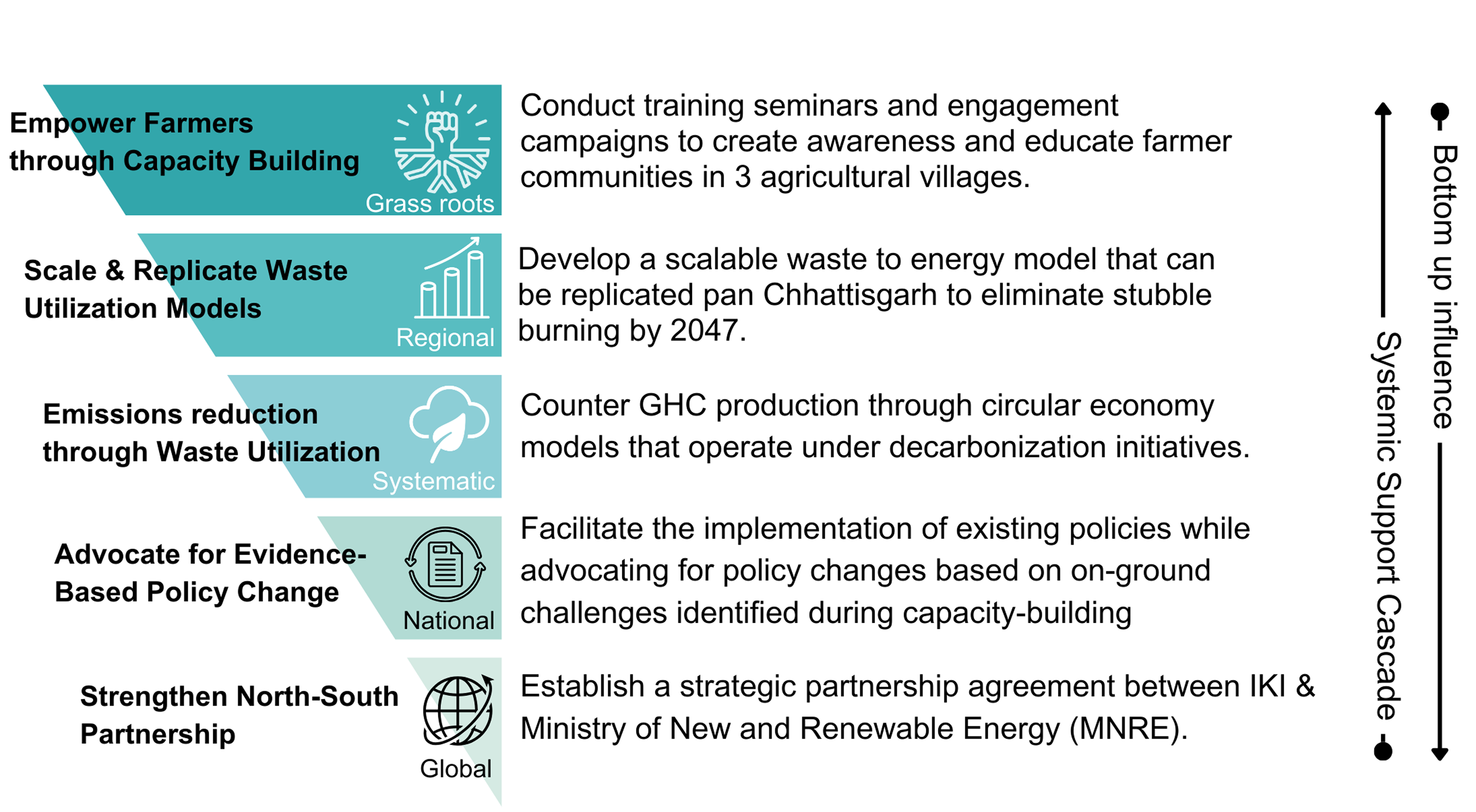
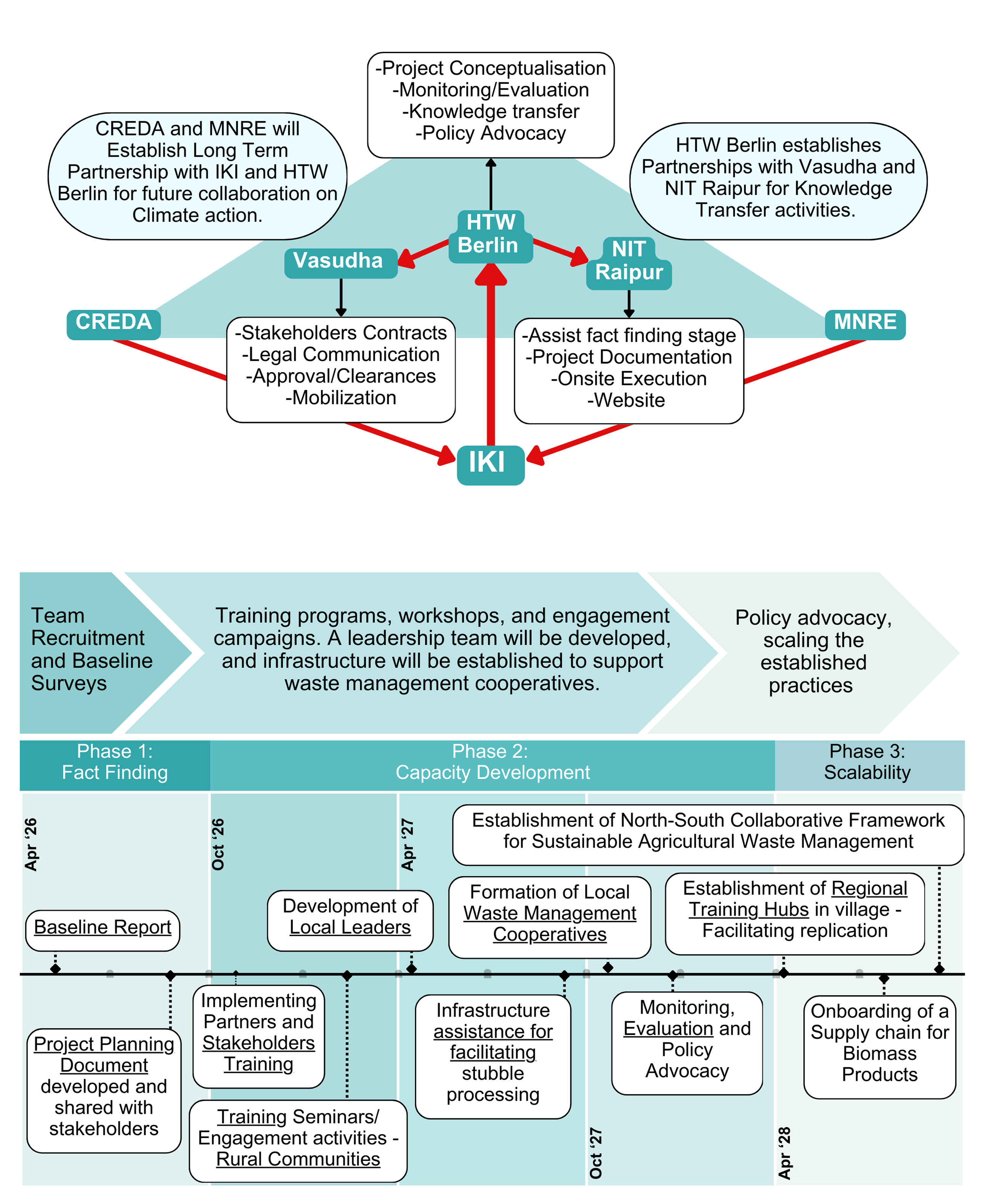
The project addressed governance and policy implementation challenges through structured training, stakeholder engagement, and institutional strengthening. Contributed to framing objectives, coordination strategies, and implementation logic. The proposal emphasized scalability, monitoring, and long-term impact, and was shortlisted for recognition, highlighting its relevance and alignment with international funding priorities.
The proposal focused on building institutional capacity through collaborative engagement with universities and NGOs. It aimed to address governance challenges and policy implementation gaps while fostering knowledge exchange and practical solutions for sustainable development.

The concept positioned capacity building as a systemic approach, connecting academic expertise, civil society, and policy frameworks to enhance impact and scalability.
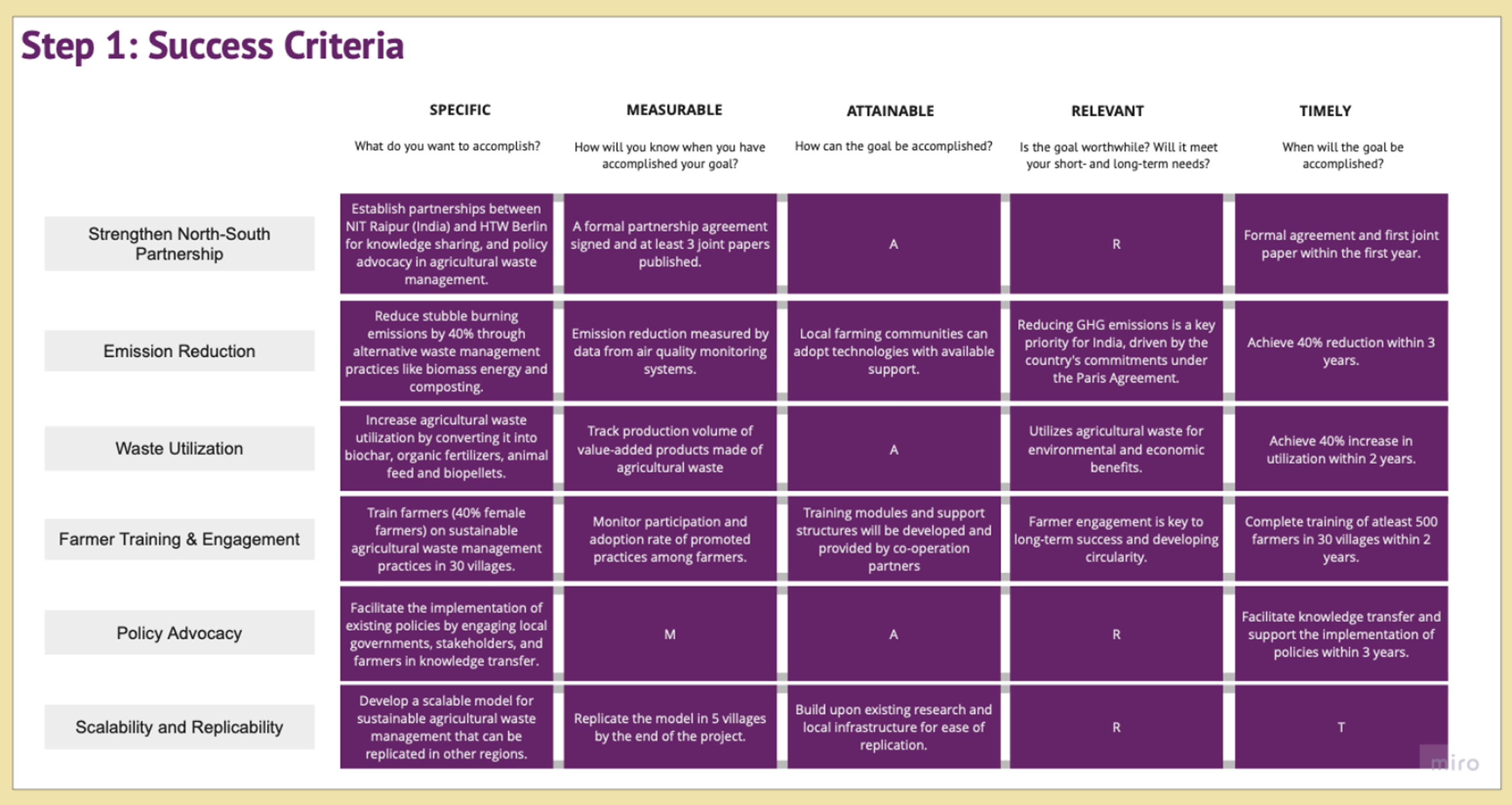
Objectives centered on strengthening institutional capabilities, improving governance practices, and promoting cross-sector collaboration. The project emphasized measurable outcomes in knowledge transfer, training, and strategic support for local and regional initiatives.

Clear objectives guided actionable steps, ensuring the project contributed to long-term capacity development and practical policy solutions aligned with IKI funding priorities.
The overall proposal presented a structured plan for collaboration, including stakeholder engagement, workshops, and monitoring frameworks. It highlighted the replicability and scalability of capacity-building interventions within governance and policy-making contexts.

Designed for recognition and impact, the proposal balances strategic planning, academic rigor, and practical implementation to deliver sustainable outcomes for institutional capacity enhancement.